Bet Types ExplainedNo. 023
What Does ATS Mean in Betting? Covering the Spread, Explained
- Posted
- Reading time
- 4 min
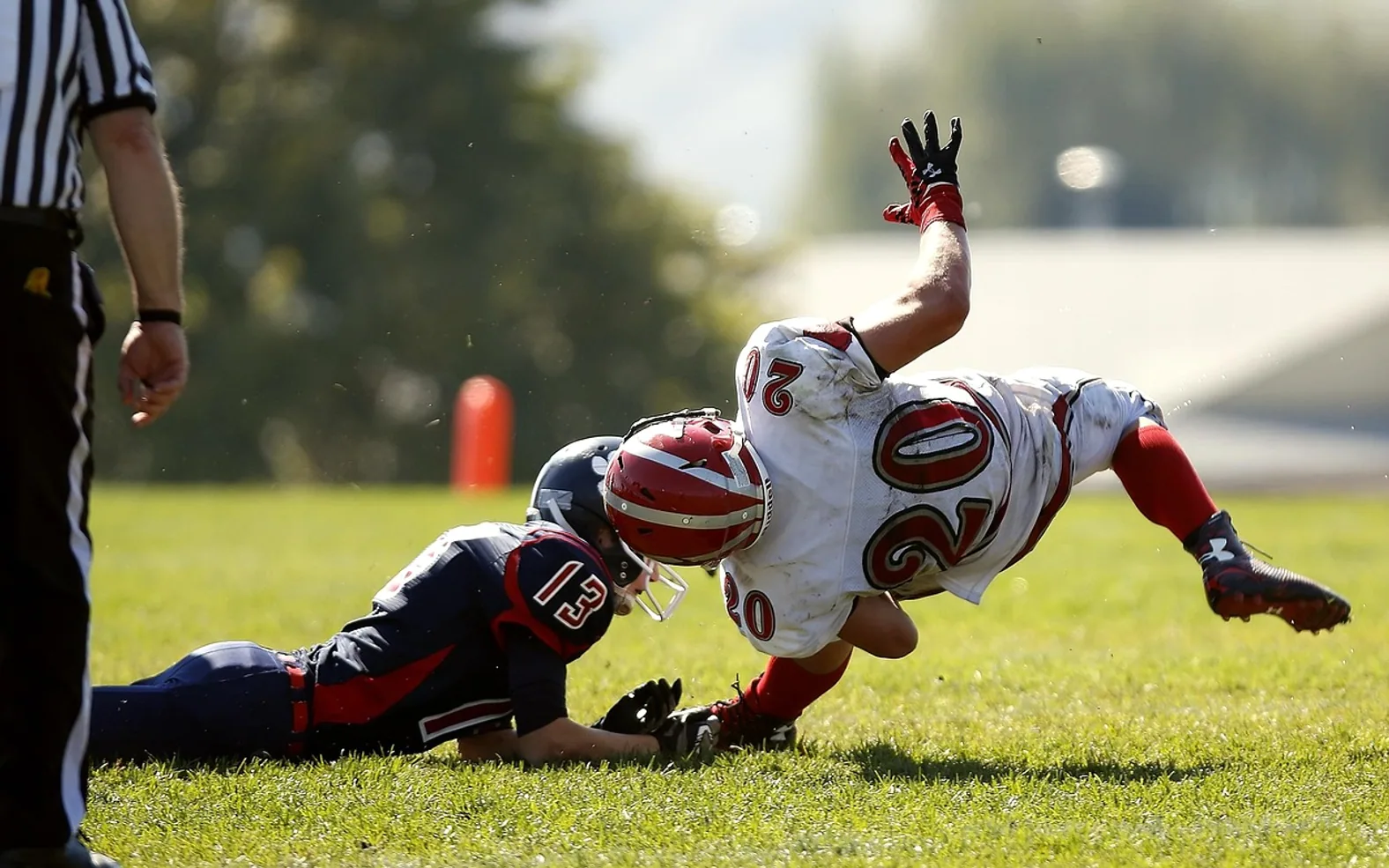
ATS stands for against the spread. A result ATS is a result judged after the point spread has been applied, rather than on who simply won the game. If a favourite is listed at -6.5 and wins by 10, it won ATS, or "covered". If it wins by only 3, it won the game but lost ATS. An underdog at +6.5 that loses by 3 is a winner against the spread.
The term appears constantly in previews and team stats, usually as a record such as 8-5 ATS. Knowing how to read it helps make sense of betting coverage, as long as its limits are understood too.
Covering the spread
A point spread is a handicap that a sportsbook applies to make two unequal teams roughly even as a betting proposition. The favourite gives points and the underdog receives them.
- Favourite covers when it wins by more than the spread.
- Underdog covers when it wins outright or loses by less than the spread.
- A push happens when the margin lands exactly on a whole-number spread. Stakes are normally returned.
Half-point spreads such as 6.5 exist precisely to rule out pushes. Baseball and hockey apply the same principle with a line that is nearly always fixed at 1.5, so the price does most of the balancing there.
How to read an ATS record
An ATS record counts how often a team covered across a stretch of games. It is written wins-losses-pushes.
| Record | What it means |
|---|---|
| 9-3 ATS | Covered in 9 games, failed to cover in 3, no pushes |
| 7-4-1 ATS | Covered 7, failed 4, one game landed exactly on the number |
| 2-6 ATS as a favourite | When priced as the favourite, covered only twice in eight games |
| 5-1 ATS at home | Of six home games, covered five |
A team's straight-up record and its ATS record can look completely different. A dominant team that wins most of its games by narrow margins can have a poor ATS record, because the market expected even more from it.
ATS versus straight up
"Straight up", often shortened to SU, means the plain win-loss result. Comparing the two answers different questions:
- Straight up shows how good a team is at winning.
- ATS shows how its results compared with the market's expectations.
A team that keeps beating expectations will see its spreads adjusted. That is one reason strong ATS runs rarely last: the line moves to catch up with the reputation.
Why ATS records can mislead
Small samples
A season of a dozen or so games is a tiny sample. A 9-3 ATS record can come from a few late scores going one way, and it says little about the next game.
Lines differ
Records are often compiled using one source's closing line. Someone who bet earlier at a different number may have had a different result entirely.
The margin is still there
Spread bets are usually priced around -110 on both sides, which means a bettor has to be right more than half the time just to break even. Our article on the vig shows where that threshold comes from. A coin-flip record against the spread loses money once the fee is included.
Trends are not causes
Stats such as "6-0 ATS after a bye week" are easy to find and easy to over-read. With enough splits, some will always look striking by chance.
The backdoor cover
A backdoor cover is a late score, often in a game whose result is already settled, that changes the ATS outcome. The losing team scores a meaningless touchdown or basket in the final minutes and slips inside the spread. Results like these sting for anyone on the other side, and they are a reminder that ATS outcomes depend on margins that can turn on a single play. Our piece on being on tilt looks at how to keep that frustration from choosing the next bet.
Related terms
- Cover: to win against the spread.
- Pick'em: a spread of zero, where the winner of the game simply wins the bet.
- Teaser: a multi-leg bet that moves spreads in the bettor's favour for a lower payout.
- Closing line: the last spread available before the game starts.
Frequently asked questions
Does ATS apply to every sport?
It is most common in American football and basketball, where spreads vary widely. The same idea applies to run lines, puck lines and handicaps in other sports.
Is a good ATS record a reason to bet on a team?
On its own, no. It describes past results against past lines, and the next line will already reflect much of what that record shows.
ATS is a way of describing results, not a forecast. Spread betting is for adults only and is legal in some places but not others, so check where you stand before placing anything and keep the amount small enough to lose without regret.
Before the first bet
Five quick checks
Run through these before staking anything at all.
- I have worked out the margin on the bet or the RTP of the game
- I know how this operator settles ties, voids and cancelled events
- The amount I am about to stake is money set aside for fun
- I have picked a time to stop, whatever happens
- Gambling of this kind is allowed where I live