Odds and ProbabilityNo. 029
Watching Versus Knowing: What a Game Broadcast Tells You About the Odds
- Posted
- Reading time
- 5 min
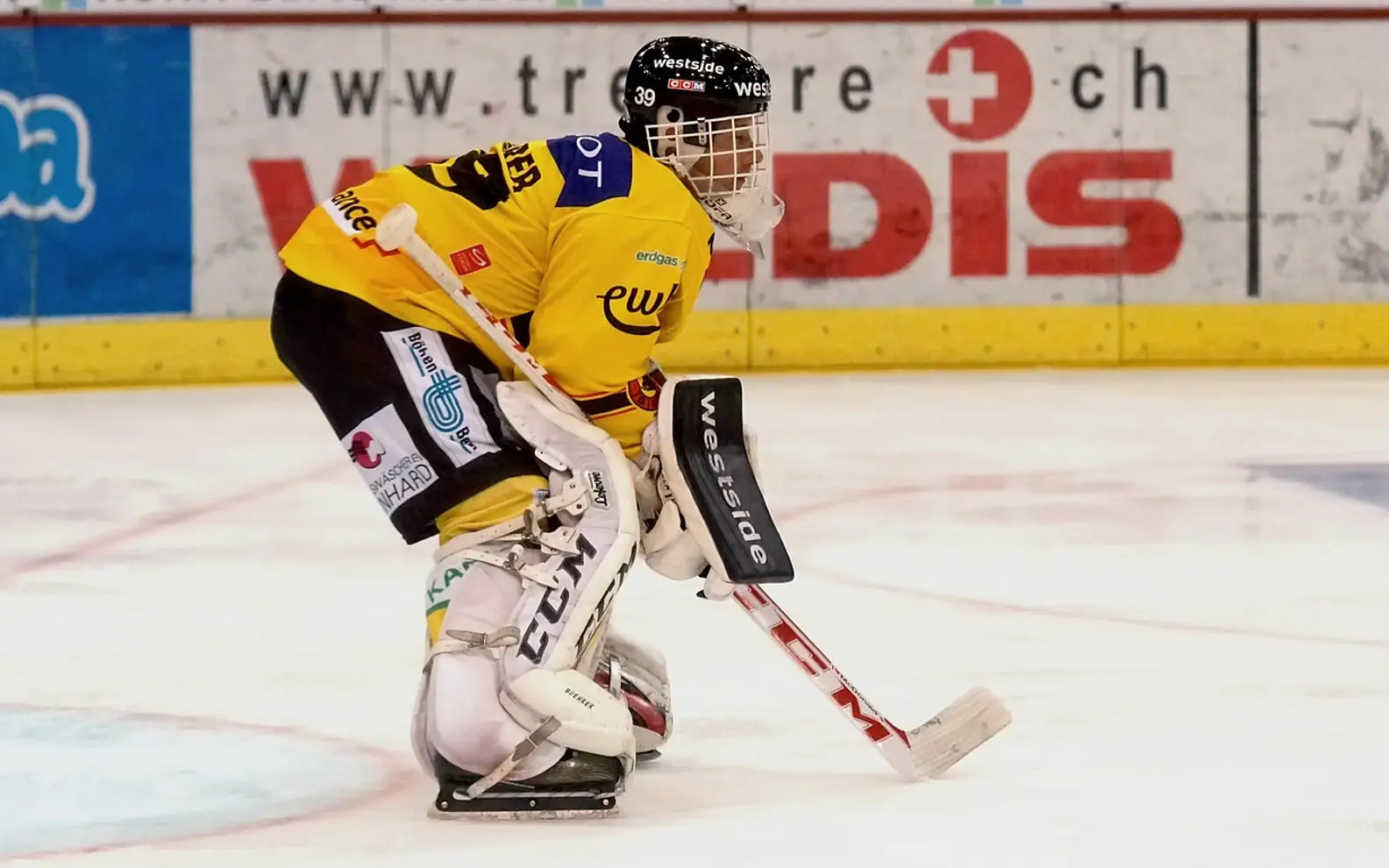
Sit through a full evening of hockey coverage and you will hear dozens of confident statements before the puck even drops. A former player says one team "wants it more". A graphic shows a winning streak. A reporter at the morning skate mentions that a forward left the ice early. By the time play starts, it can feel as though you know far more than the people setting the prices. Usually you don't, and understanding why is one of the more useful lessons in reading odds.
Two different jobs: entertaining and estimating
A broadcast exists to keep you watching. It needs storylines, rivalries, heroes and turning points, and it is very good at producing them. A price exists to estimate how often something happens across many similar situations. Those are separate tasks, and the tools that make a broadcast gripping are not always the tools that make an estimate accurate.
That does not make television coverage useless. It means each piece of it needs to be sorted into one of three boxes:
- Already priced: public facts that markets absorbed long before you heard them on air.
- Noise: vivid moments and opinions that feel important but say little about the next result.
- Genuinely new: information that arrives late enough, or is subtle enough, that it may not be fully reflected yet.
Most of what you see lands in the first two boxes. The third is small and shrinking.
The pre-game panel
Studio panels are built around opinion, and opinions are cheap to state and expensive to test. When an analyst picks a winner, the pick is rarely tied to a probability. "I like the home side tonight" could mean 52% or 80%, and without a number there is no way to compare it with the price on offer.
Panels also lean towards narrative. A team on a five-game run gets talked up; a team that lost a close one gets described as "struggling". Short streaks in sport are often explained largely by chance, and prices tend to account for underlying performance rather than the last few scores. If a panel convinces you that a favourite is a certainty, it is worth remembering that the favourite was already the favourite before anyone said so on air.
Injury reports and lineup news
This is where broadcasts can carry real weight, but timing is everything. In the NHL, for example, teams often describe injuries in vague terms such as "upper-body" or "lower-body", and the confirmed starting goaltender is sometimes not clear until shortly before the game. News like that genuinely changes the likely outcome.
The catch is that markets react to the same news, often faster than a viewer can. By the time a reporter repeats a lineup change during the pre-game show, prices have usually moved. Seeing the news on screen tells you what happened; it rarely tells you something the market missed. A useful habit is to note what the odds were before the news and what they became after. That gap shows how much the information was worth to the people pricing it, which is a good calibration exercise even if you never place a bet.
Momentum on screen
Few things feel more convincing than a team pinning its opponent in their own zone for a full shift, or a cricket side taking three quick wickets, or a football team stringing together long possessions. Commentators call it momentum, and the crowd noise backs them up.
Whether momentum in that sense predicts the next goal or the final result is a debated question, and the honest answer is that a few minutes of pressure is a small sample. What the screen shows clearly is the past few minutes. What it cannot show is how often similar stretches of pressure end up producing nothing. Live prices already move with the score, the clock and many in-game measures, so the feeling that "they're about to score" is something the market has usually weighed too.
| What you see | What it can suggest | What it cannot tell you |
|---|---|---|
| A long spell of pressure | One side is controlling play right now | Whether that control turns into goals |
| A shots-on-goal graphic | Who has tested the goalie more | Shot quality, or what happens next |
| A win-probability bar | A model's view at that moment | Anything the model doesn't measure |
| A star leaving the bench | A possible lineup change | How serious it is, or whether they return |
Your screen is a few seconds behind
There is a practical detail that matters more than any panel opinion: the picture you are watching is not quite live. Cable, satellite and internet streams all carry some delay, and the lag differs from one setup to another. A goal you see may already have happened several seconds earlier, and live markets are often suspended or repriced around big moments for exactly that reason.
How you watch also shapes what you notice. A steady, high-quality picture with the right channels makes it easier to follow line changes, replays and the small details commentators point out. Viewers who want hockey, football and other sport from Canadian and international channels in one place sometimes look at subscription options; anyone searching for the best iptv canada setup for match nights should compare picture stability, channel line-ups and device support side by side. As with any service, check what it actually carries and read its terms before you subscribe. Whatever you use, treat your screen as a slightly delayed window rather than a live feed.
Watching is not knowing
The broader point is that familiarity is not the same as an edge. Someone who watches every game of their team will know the players, the habits and the mood of the dressing room as well as any fan can. That knowledge makes watching richer. It does not automatically translate into knowing the probability of tonight's result better than a market that pools information from thousands of sources.
In fact, close fandom can pull the other way. People tend to rate their own team's chances higher, remember the wins more clearly than the losses, and read every hopeful sign as confirmation. The more you care, the more useful it is to write down a number before the game and check it later.
Cautious takeaways
- Translate opinions into numbers. If a panel pick can't be expressed as a percentage, it can't be compared with a price.
- Assume public news is already priced unless you have a strong reason to think otherwise.
- Treat momentum as a description of the past few minutes, not a forecast.
- Remember the delay between the event and your screen, especially around live markets.
- Enjoy the broadcast as a broadcast. The storylines are the fun part; they don't have to be a betting signal.
Betting rules differ from province to province, so check what applies where you live, and keep any stake to an amount you would spend on a night out anyway.
A good broadcast makes you feel close to the game, and that closeness is worth having for its own sake. Keeping it separate from your sense of the odds is what lets you enjoy the drama without mistaking it for information.
Before the first bet
Five quick checks
Run through these before staking anything at all.
- I have worked out the margin on the bet or the RTP of the game
- I know how this operator settles ties, voids and cancelled events
- The amount I am about to stake is money set aside for fun
- I have picked a time to stop, whatever happens
- Gambling of this kind is allowed where I live